
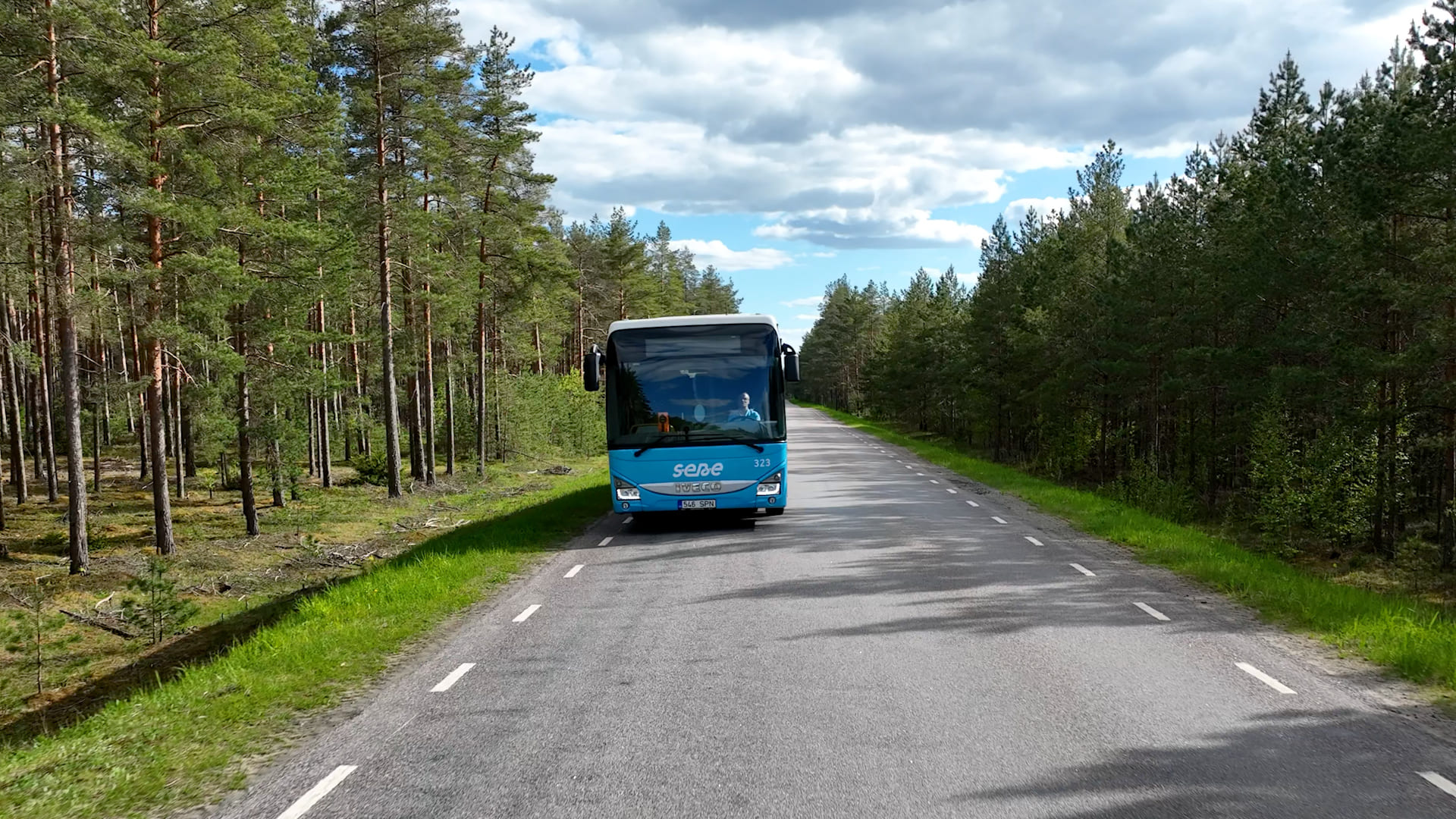
Anyone who says that pensioners and students should be able to travel free of charge on county buses must show what tax is being used to fund this „free service“. The other side of the free medal is the distinction made by the same politicians who so zealously defend free county bus transport. Why is it that students and pensioners who use trains, inter-island ferries and air services or public long-distance buses for their daily commute have to buy a concessionary ticket, but not a county bus? In what way is a student or pensioner from Viimsi or Kose preferable to a student or pensioner from Aegviid, Kehra or Vormsi (Viimsi and Kose have bus, Kehras and Aegviid have train and Vormsi has ferry)?
With the advent of free public transport in 2018, the number of passengers has increased by county only in Harju County, while the total number of other counties is negative, while the state's expenditure on public transport has increased by an average of 3.36 times and in Harju County by almost 4 times. At the same time, Harjumaa also had the highest number of commercial lines, which have now all closed down and been taken over by the state.
Comparative figures by region (explanation: RET state budget support and local government support).
| Counties | Number of passengers thousands | RET grant € thousand | Local authority support € thousand | Ticket revenue thousands € | ||||
| 2017 | 2024 | 2017 | 2024 | 2017 | 2024 | 2017 | 2024 | |
| Harjumaa | 3 499 | 8 292 | 2 111 | 19 682 | 608 | 332 | 3 324 | 3 498 |
| Hiiumaa | 111 | 122 | 430 | 909 | 31 | 16 | 55 | 29 |
| Ida-Virumaa | 2 212 | 1 936 | 1 055 | 6 760 | 233 | 130 | 1 001 | 600 |
| Jõgevamaa | 454 | 385 | 982 | 2 542 | 152 | 32 | 158 | 91 |
| Järvamaa | 564 | 495 | 1 022 | 2 063 | 193 | 103 | 316 | 124 |
| Läänemaa | 585 | 459 | 769 | 1 538 | 108 | 93 | 379 | 247 |
| Lääne-Virumaa | 942 | 1 012 | 1 111 | 4 016 | 163 | 2 | 695 | 244 |
| Põlvamaa | 648 | 741 | 1 326 | 3 368 | 229 | 15 | 355 | 141 |
| Pärnumaa | 2 536 | 2 501 | 4 578 | 8 372 | 441 | 186 | 1 384 | 745 |
| Raplamaa | 409 | 586 | 839 | 2 262 | 47 | 0 | 277 | 127 |
| Saaremaa | 491 | 518 | 1 387 | 3 601 | 2 | 44 | 388 | 125 |
| Tartumaa | 2 173 | 1 964 | 1 588 | 6 395 | 384 | 368 | 1 329 | 573 |
| Valgamaa | 400 | 577 | 1 130 | 2 952 | 50 | 42 | 314 | 270 |
| Viljandimaa | 1 368 | 1 555 | 1 679 | 4 156 | 170 | 91 | 929 | 353 |
| Võrumaa | 851 | 781 | 1 210 | 2 696 | 0 | 31 | 501 | 114 |
We have reached a situation where there is no more money to sow from the helicopter, so if we do not ask the service user for more money or impose additional taxes, the next step will be to cut the route network, i.e. to reduce the number of actual departures. For example, we in IIL have calculated that if a 40% concessionary fare for students and pensioners on county buses were introduced, an additional €4 million in fare revenue could be harvested annually in the four counties we manage, for a total of €7-10 million (depending on the full fare) in Estonia. It is also true that about 10% passengers do not validate their journeys, which the introduction of a fare and more effective controls would certainly help to improve. Today's overcrowded buses do not always reflect real demand, but a free opportunity to spend time in a warm place.
The claim that the reform of public transport can save €20-25 million through internal resources and better planning is also a myth. The idea that demand-driven routes will bring savings and that people will be able to get around when they need to is not true. Rather, there is a great deal of additional temporal uncertainty for the passenger, especially in the middle of the route, where the bus may or may not make a stopover in an adjacent settlement. As a result, the use of public transport will be further reduced, while the stand-by fee will still have to be paid to the carrier. The savings of EUR 25 million per year mean, metaphorically speaking, that we are bringing to a standstill all regional public transport in the IIL's organisational area, i.e. in Harju County, Lääne-Viru County, Läänemaa and Rapla County. The second part of the reform foresees consolidations of the Public Transport Centres (PTCs). The claim that such action will lead to better organisation and savings is political nonsense. Consolidation of centres can save between €30 000 and €50 000 a year and increase the specialisation capacity of smaller CTCs, but it will not solve the shortfall in millions of euros.
Even the claim that buses will start bringing passengers to the stations in advance of fast trains on a clockwise basis and that this arrangement will save money is demagogy. The state is unable to adopt so-called „service level standards“ today, as setting minimum standards would require the state to spend an extra €10 million to provide basic connections on the network, then adding a clock service and linking to trains is even more expensive. It is true that high-speed trains create the possibility of commuting from remote rural areas to centres, such as from Jõgeva to Tallinn or Tartu, at a reasonable cost, so that people do not have to leave their home town to earn a competitive wage.
Passengers value time and convenience in their journeys and choose the connections that are most convenient for them, rather than those where buses visit train stations and make additional on-demand stops due to the national reform. Imagine that you live in the village of Kose, where today the bus goes directly to Tallinn with a frequency similar to that of the train from Keszthely. The bus journey time directly from Kose to Tallinn is 40-60 minutes (depending on the route). Now, as a result of the public transport reform, you are going to take the bus to the Kehra train. The bus journey time is 30 minutes to Kehra, then a further 35 minutes to Tallinn by train, plus a minimum of 5 minutes for a connecting journey, making for a significantly longer and more inconvenient journey. And if there is also a dish-driven boarding at Voosele or Tasuja, for example, you will not be able to catch the train, considering the additional travel time.
Hence the questions with answers:
By looking in the mirror and answering the fundamental question honestly. What kind of movement do we prefer? For me, I want fast, comfortable, safe and independent transport, and a car is the perfect way to do that. Yes, I am willing to take both the bus and the train if it fits my daily schedule, the journey time does not exceed the journey time by car over 30%, the stop is not very far from where I live (up to 20 minutes walk) and public transport runs with sufficient frequency to give me freedom of movement (at least once an hour during off-peak hours and at least every 30 minutes during peak hours).
Today's public transport problems that need to be solved urgently are;
Politicians are looking for ways to save money and are tossing around the idea of bringing back commercial lines in Harjumaa, but in my opinion this only shows that there is a lack of courage to charge students and pensioners on public lines. Let us be honest - the commercial operators stopped providing the service after the introduction of free public transport, and if we now replace the public service with commercial buses in an area, we will see the same kind of unequal treatment between passengers based on choice of residence. A commercial operator has to operate without public subsidy, which means that it cannot transport students and pensioners free of charge.
Not just to waffle I point out free bus transport pros and cons, so that readers can decide for themselves which service they prefer;
| Positive | Negative |
| The number of passengers has increased, especially in free groups. | For the fare-paying rider, the service has got worse - with a shortage of seats at peak times. |
| Unrestricted free movement for free riders. | No passenger liability - only rights. For example, there is no obligation to validate your journey. |
| Lower public transport costs for parents, especially large families. | High expectations of free service - buses run too infrequently, don't come when needed, don't go where needed, timetables change to accommodate educational institutions, etc. |
| Reduction in the cost to local authorities of transporting pupils in areas where county lines cover the need for school transport. | Chronic lack of money - no sustainable service. This will lead to route cuts or new tax increases. |
| Simplicity of the system. | Lack of cooperation between public transport and the education system - for example, state secondary schools. Who will cover the costs of transporting pupils to the state secondary schools, especially in a situation where pupils attend school in another municipality? |
| Lack of driver supervision - failure to validate students and parents' ingenuity in using student cards to make their own journeys. | |
| Unnecessary journeys by passengers - creates a false perception of demand. | |
| Unequal treatment by the state between different types of public transport users - train, inter-island ferry and air, public long-distance and regional. Only the latter is free. | |
| Lack of competition - commercial vs. public service, resulting in service stagnation and quality degradation. | |
| Helicopter money for all alike - help and free transport should go to those who really need it. |
Andrus Nilisk
E-mail: andrus@iil.ee
Tel: 5050987

The whole IIL region includes : Harjumaa, Läänemaa, Lääne-Virumaa and Raplamaa.
The right to buy a discount ticket is:
- an individual aged 19 or under (inclusive)
- Person aged 63 or over
As of 19.06.2023, the following have been assigned from the counties to Tallinn on incoming bus services stops within the administrative territory of the city which are accessible to passengers. for exit only.
On the outbound route from Tallinn, all stops in the timetable remain available for passengers to board and alight, regardless of the length of the journey.
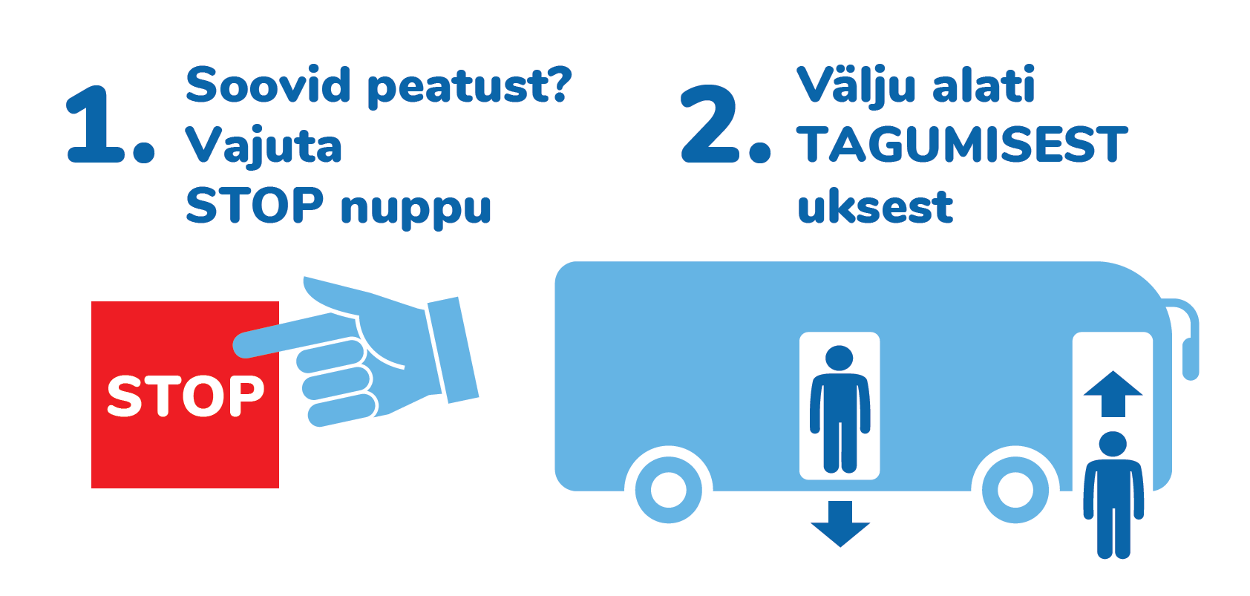
To get off the bus, signal in good time by pressing the STOP button and move to the rear door as you approach the stop.
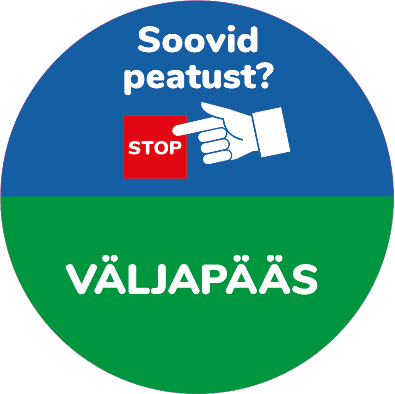
List of stops approved for departure only, by line:
Priisle, Rauna, Kiviku, Mustakivi, Taevakivi, Laagna, Eagle shop, Paesilla, Mechanics School, Kumu, Vesivärava, Laulupeo, Tornimäe, Estonia, Vabaduse väljak, Hotel Tallinn, Balti jaam (Baltic Station)
Väo, Pikamägi, Gaasi, Jüriöö Park, Suur-Paala, Väike-Paala, Sossimägi, Bus Station, Central Market, Tornimäe, Estonia, Vabaduse väljak, Hotel Tallinn, Baltic Station
The stops to get there are Kuuli, Lagedi tee, Vesse, Pae.
Priisle, Kumu, Bus Station, Central Market, Tornimäe, A.Laikmaa
The bus stops are Rauna, Kiviku, Mustakivi, Taevakivi, Laagna, Eagle shop, Paesilla, Mechanical school.
Buses 101, 171 (St. Petersburg Road lines)
Jüriöö Park, Suur-Paala, Väike-Paala, Sossimägi, Bus Station, Central Market, Tornimäe, A.Laikmaa
The stops to get there are Lagedi road, Väo, Pikamägi, Kuuli, Gaasi, Vesse, Pae.
Ussimäe tee, Priisle, Rauna, Kiviku, Mustakivi, Taevakivi, Laagna, Eagle shop, Liikuri, Lasnamägi, J.Poska, F.R.Kreutswaldi, Pronksi, Hobujaama, Linnahall, Baltic station
Sõjamäe, Iron Concrete, Ruunaoja, Suur-Sõjamäe, Tobacco, Orto, Kesk-Sõjamäe, Ülemiste station, Sossimägi, Bus station Station
Ussimäe tee, Priisle, Black Stone, Sky Stone, Lagna, Eagle Shop, Paesilla, Mechanics School, Kumu, Waterfall, Song Festival, Tower Hill, A.Laikmaa
Stops to get there are Käära, Ristaia, Iru
Laiaküla, Pärnamäe tee, Teletorn, Kloostrimetsa, Metsakalmistu, Kalmuse tee, Pirita, Lillepi, Maarjamägi, Lille Pavilion, Lauluväljak, J.Poska, Hobujaama, Linnahall, Mere puiestee, Balti jaam (Baltic station)
Stops to get there Käära, Ristaia
J.Poska, F.R.Kreutswaldi, Bronze, Hobujaama, Mere puiestee, Linnahall, Baltic Station
The entrance stops are Merivälja, Tuule tee, Aia tee, Kaasiku, Mähe tee, Randvere tee, Supluse puiestee, Pirita, Rummu, Lillepi, Maarjamägi, Lillepavilion, Lauluväljak.
Looga, Humala, Lille, Taxi Park, Koidu, Vabaduse väljak, Hotel Tallinn, Baltic station
Bus stops on the way to Paldiski mnt for buses to Uuemäe, Paemurru, Järvekalda, Järveotsa tee, Sõudebaasi, Haabersti, Zoo, Pirni.
buses in the direction of Rannamõisa Printsu tee, Tähistaeva, Pikaliiva, Sõba, Haabersti, Zoo, Pirni
Meistri, Autobussikoondis, E.Vilde tee, Männi, Chemistry, Mustamäe
Stops for access Järvekalda, Järveotsa tee, Väike-Õismäe, Kullerkupu, Nurmenuku.
Kadaka, Mustamäe, Chemistry, Liivaku, Lepistiku, Siili, Linnu tee, Taxi Park, Koidu, Vabaduse väljak, Hotel Tallinn, Baltic station
Stops for access are Uuemäe, Paemurru, Järvekalda, Järveotsa tee.
Hõimu, J.V.Jannseni, Hiiu, Valdeku, Risti, Järve, Hallivanamehe, Kalev, Tallinn-Väike, Vineeri, Kosmos, Viru
Stops Nõlvaku, Vana-Pääsküla for the approach
Lake, Hallivanamehe, Kalev, Tallinn-Väike, Plywood, Kosmos, Viru
Stops to get there are Männiku, Kauge, Pihlaka, P.Kerese, Karusmarja, Värava, Liiva station, Liiva, Risti.
Lake, Hallivanamehe, Kalev, Tallinn-Väike, Plywood, Kosmos, Estonia
Stops to get there are Raudalu, Kaarla, Raku, Liivametsa, Viljandi road.
Valdeku, Risti, Järve, Hallivanamehe, Kalev, Tallinn-Väike, Plywood, Kosmos, Vabaduse-Väljak, Viru
Stops for access are Nõlvaku, Vana-Pääsküla, Vikerkaare, J.V. J.J. Jannseni, Hiiu
Ehitajate tee, Liivaku, Vambola, Lepistiku, Siili, Linnu tee, Taksopark, Koidu, Vabaduse väljak, Estonia
Stops Nõlvaku, Vana-Pääsküla, Salve, Nõmme, University of Technology to get there.
Järve, Hallivanamehe, Kalev, Tallinn-Väike, Vineeri, Kosmos, Vabaduse väljak, Viru, Baltic station
Stops to get there are Raudalu, Kaarla, Raku, Liivametsa, Viljandi road.
Sossimägi, Central Market, Tornimäe, Estonia, Vabaduse väljak, Hotel Tallinn, Baltic Station
Stops to get there are Mõigu (except 132, 132A, 162), Airport, Lindakivi, Bus station.
Lake, Hallivanamehe, Kalev, Tallinn-Väike, Plywood, Kosmos, Estonia
Stops to get there are Raudalu, Kaarla, Raku, Liivametsa, Viljandi road.
Hiiu, Risti, Kalev, Tallinn-Väike, Vineeri, Kosmos, Estonia
For the entrance, the stop is Vana-Pääsküla
Black Stone, Eagle shop, Laulupeo, Tornimäe, Estonia, Vabaduse Square, Hotel Tallinn, Baltic Station
Järveotsa road, Rowing base, Taxi park, Tallinn bus station
Järve, Tallinn bus station
For the entrance, the stop is Vana-Pääsküla
Period tickets are valid for 30 days and grant the right to use IIL buses an unlimited number of times during this period. The ticket is valid in the selected zone, all zones in Läänemaa, or the entire IIL area.
Period tickets are valid for 30 days and allow unlimited use of IIL buses during this time. The ticket is valid in the selected zone, in all Raplamaa zones, or in the entire IIL region.
Season tickets are valid for 30 days and entitle you to use IIL buses an unlimited number of times during this period. The ticket is valid in selected zones in Harju County or in the entire IIL region.
Shared tickets are valid for 30 days in selected fare zones. During this period, you can use IIL buses, Tallinn city trains and, with the corresponding ticket, Elron trains an unlimited number of times.
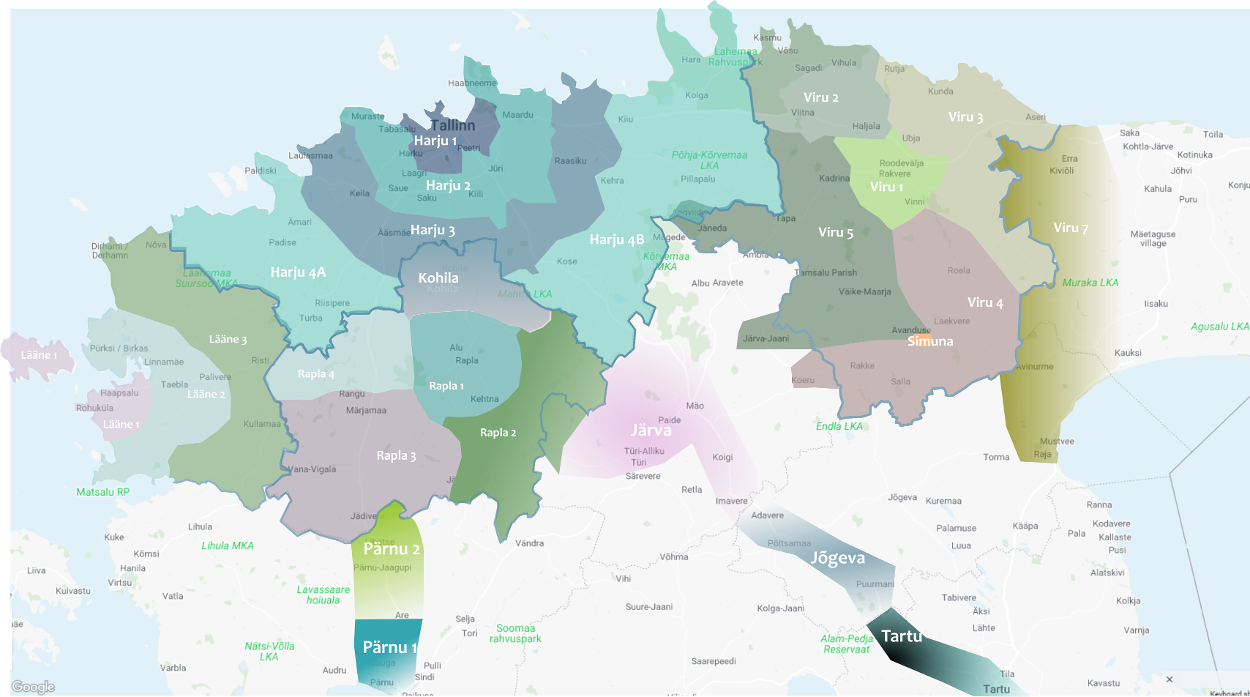
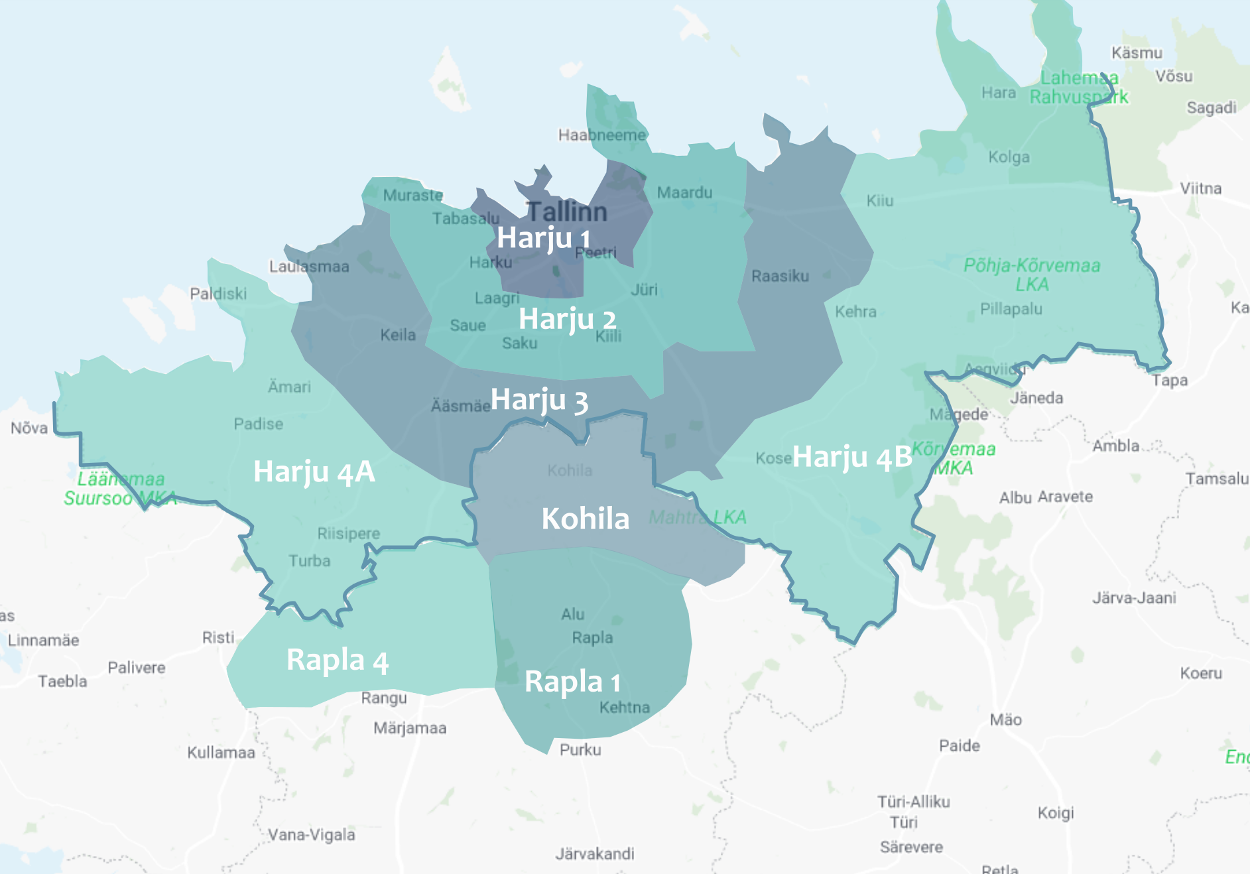
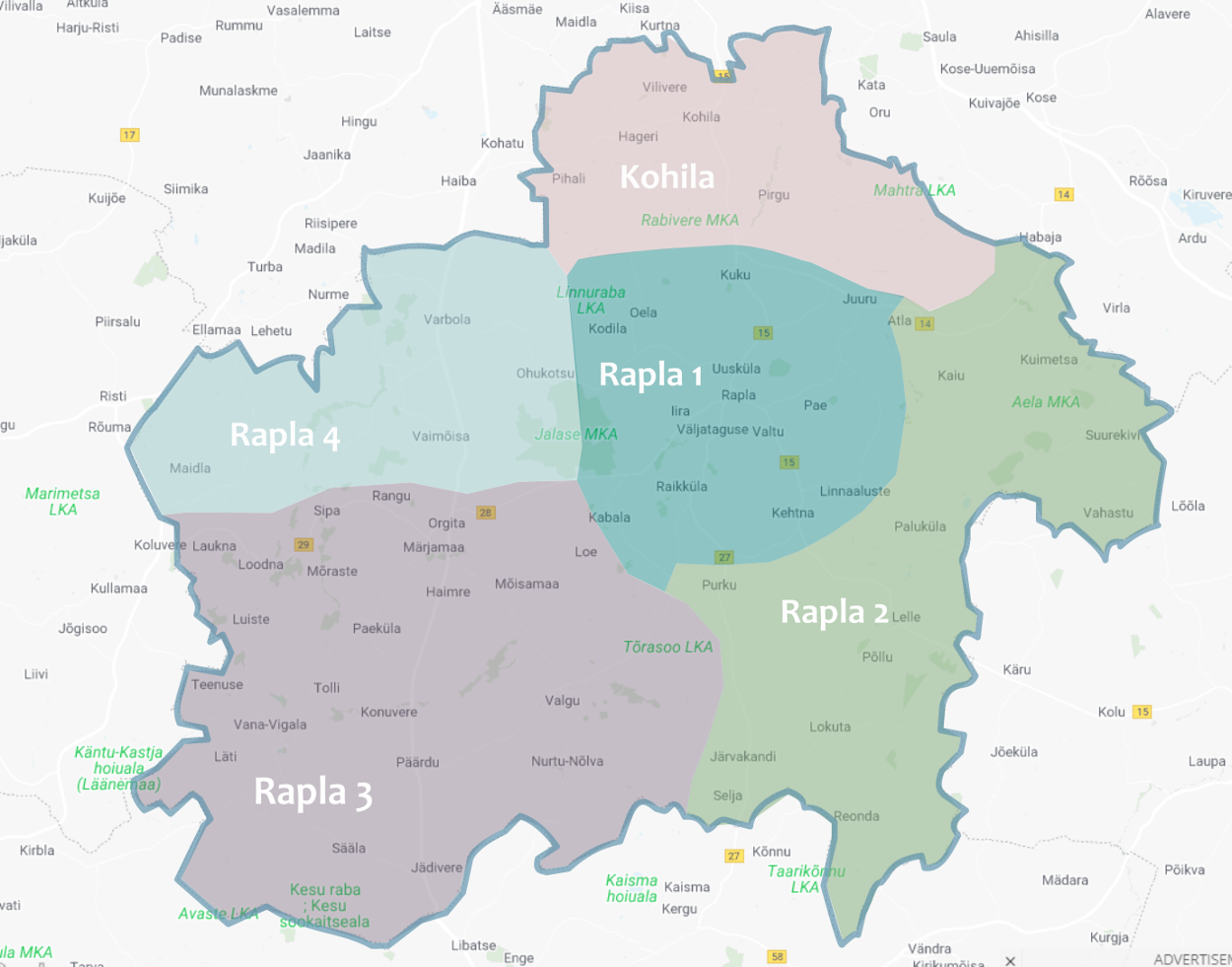
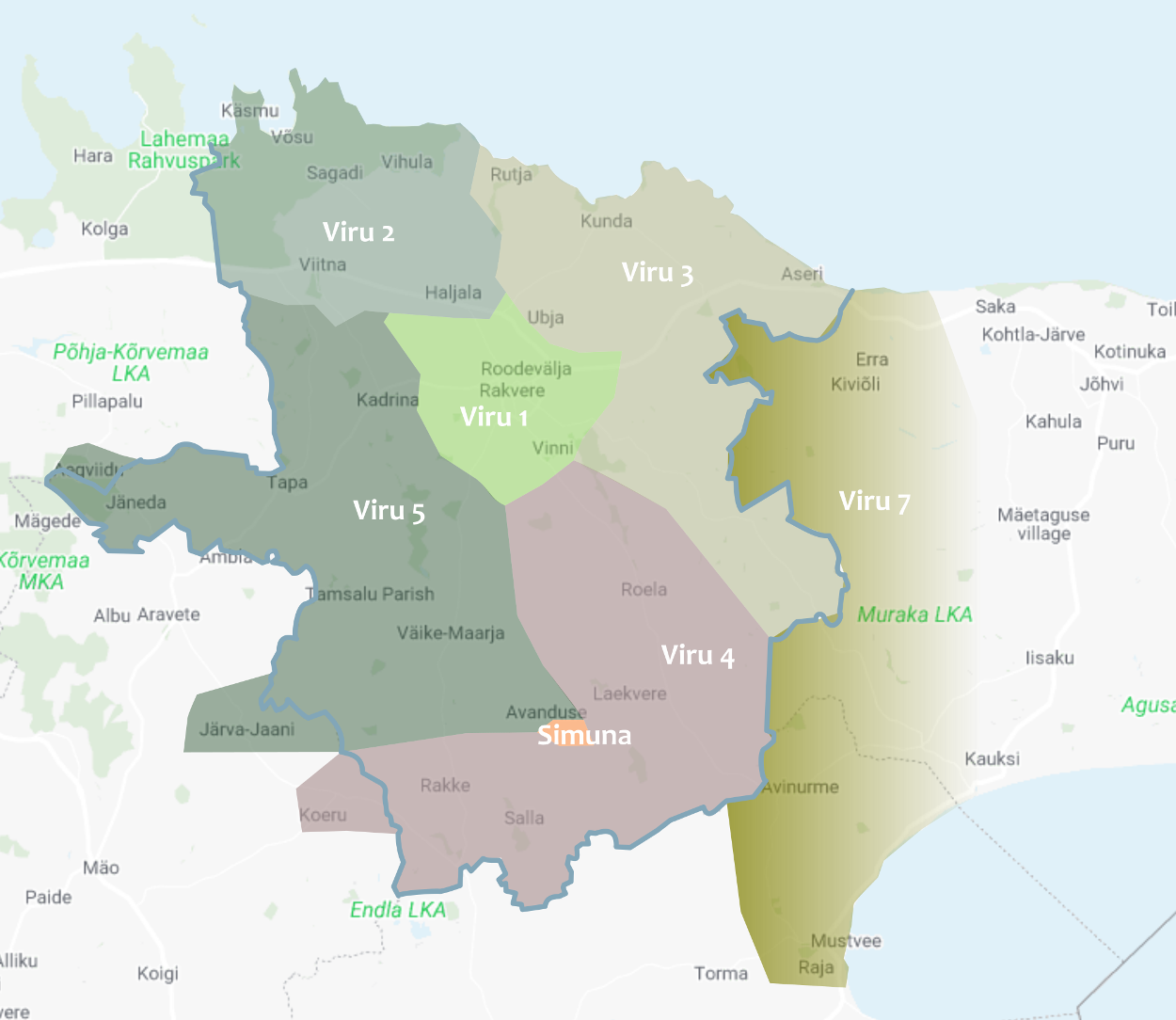
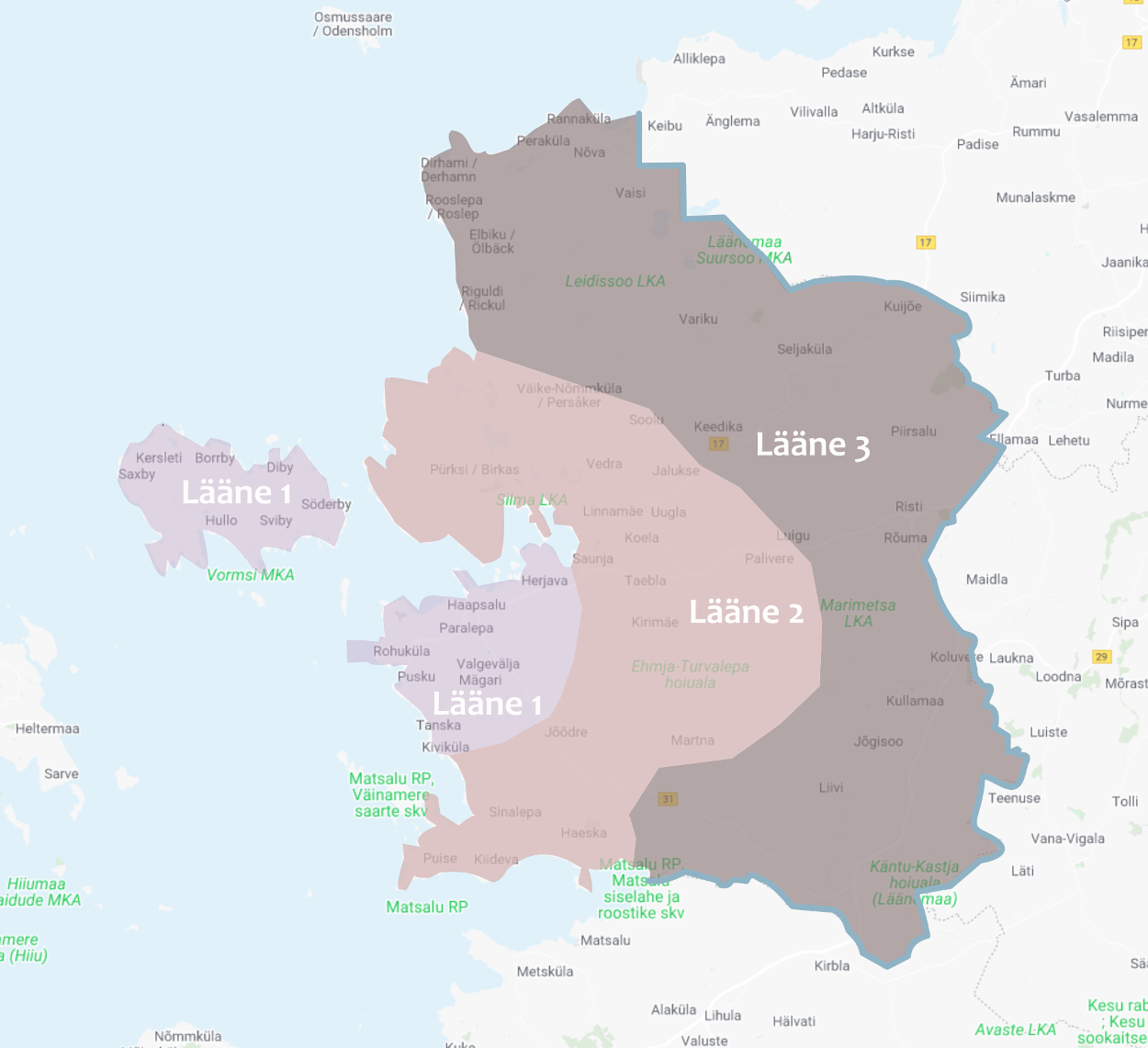
Line 1A can be travelled on with all period tickets valid in zone Lääne1. These entitle you to use all IIL buses an unlimited number of times within the selected zone or zones for 30 days.
Period tickets are valid for 30 days and grant unlimited use of IIL buses during this period. The ticket is valid within the selected zone, all of Lääne-Viru County zones, or the entire IIL region.
With an individual ticket, you can transfer to other IIL routes during the validity of the ticket. The validity period depends on the number of zones:
 English
  Estonian
  Russian